
A dependable supplier is selected before you compare brands or accept a quotation: first define the work, duty cycle, site constraints, and support you need. By the end, you will have a method for comparing machine capability, commercial terms, supplier evidence, and handover results without relying on brochure claims.
Key takeaways
- Write down load, reach, terrain, hours, and attachments before requesting quotes.
- Compare working capacity and duty cycle, not brochure maximum capacity.
- Get service response times, spare-parts terms, warranty, and exclusions in writing.
- Record inspection results and acceptance-test performance before signing handover documents.
Build a project requirement brief before contacting suppliers
A supplier cannot choose the right machine from a project name alone. Prepare a one-page brief before contacting a construction machinery supplier, because clear project requirements prevent you from comparing a telehandler, crane, loader, or excavator by brochure horsepower or maximum capacity.
Record these inputs:
- Work type, material density, working load, lift height, reach, and required production rate
- Working area, ground bearing capacity, slope, clearance, and other site conditions
- Attachment type, mounting geometry, auxiliary hydraulic flow and pressure, electrical or CAN-bus connections, and return-line limits
- Available power, fuel access, altitude, ambient temperature, and expected daily operating hours
- Transport route, delivery restrictions, unloading equipment, storage, and commissioning space
- Project duration, shift pattern, operator skill, maintenance access, and acceptable downtime
- Destination-country requirements, including OSHA construction provisions for United States projects, such as seat belts, material-handling safeguards, inspections, and safe-operation instructions
Use the brief to make construction equipment selection evidence-based:
| Project fact | Effect on the machine choice | Evidence to request |
|---|---|---|
| Working load and lift height | Determines the exact configuration and load chart | Manufacturer load chart for boom, counterweight, tyres or tracks, attachment, and suspended-load condition |
| Material and production rate | Determines bucket, drum, fork, pump, cooling, and duty-cycle performance | Output data using your material, cycle time, and working pressure |
| Site conditions and climate | Exposes derating, stability, traction, and overheating risks | Site-specific performance limits and cooling data |
| Attachments and interfaces | Prevents unsafe or underproductive combinations | Compatibility data for flow, pressure, case drain, wiring, stability, and rated capacity |
| Project location | Determines legal operating documentation | Instructions and configuration addressing local rules; home-country compliance alone is insufficient |
Match machine capacity to the actual duty cycle
A machine will perform safely and productively only when its working load, cycle time, and site conditions fit its tested capacity—not when its brochure rating looks large.
Compare the working load versus rated load for the exact machine configuration. Request load charts for the intended boom or mast position, lift height and span, attachment mass, counterweight, tyres or tracks, ground condition, and suspended-load use. A generic model capacity can become unsafe at maximum reach.
Ask the supplier to document:
- Expected cycle time and production rate using your material, including derating for altitude and ambient temperature.
- Pump flow at working pressure, relief-valve settings, cooling capacity, and power-management limits; quoted engine horsepower alone does not prove actual output.
- Attachment interface compatibility: mounting geometry, auxiliary hydraulic flow and pressure, electrical or CAN-bus connections, return-line restrictions, case-drain requirements, stability, and reduced lift capacity.
- For rollers, drum width, number of passes, layer thickness, target density, and compaction coverage; a wider drum does not guarantee faster compaction if the machine cannot maintain the required amplitude or speed.
Test the proposed duty cycle with realistic payloads and travel distances. Record cycle times, hydraulic and engine temperatures, fault codes, braking, and stability during commissioning. Treat CE marking and an EU Declaration of Conformity as safety-compliance evidence, not proof of productivity or fitness for your specific job.
Compare the complete quotation and support commitment
A lower machine price is not a lower project cost if fuel, transport, downtime, or parts delays consume the difference. Read every construction machinery quotation on the same delivered-and-operational basis, not on the machine line alone.
| Cost or support line | What to compare | Why it changes project cost |
|---|---|---|
| Machine price | Base configuration, attachments, special tooling, and commissioning | A cheap base unit may exclude items needed to start work |
| GST and freight | Tax, loading, unloading, inland delivery, insurance, and import duties | An attractive price can become expensive at the site gate |
| Incoterms | Named rule and place, such as FCA, CIF, or DAP | Responsibility for carriage, clearance, insurance, and risk changes by term |
| Ownership cost | Fuel or electricity, filters, fluids, tyres, undercarriage, wear parts, training, and finance | Higher running costs can erase the purchase-price saving |
| Parts support | Serial-number-specific bill of materials and lead times for pumps, controllers, injectors, and final drives | A machine sitting idle still costs labour and project time |
| Service commitment | AMC and after-sales service, technician arrival, diagnosis, restoration, exclusions, and escalation contact | “Local service” means little without measurable response times |
Ask RELIABLE IMPEX or any bidder for the parts-stock location, named technicians, diagnostic-tool access, and a documented plan for obsolete components. Compare warranty exclusions as carefully as coverage. A proper total-cost sheet should also record expected downtime and the supplier’s response if a critical failure stops production.
Related products
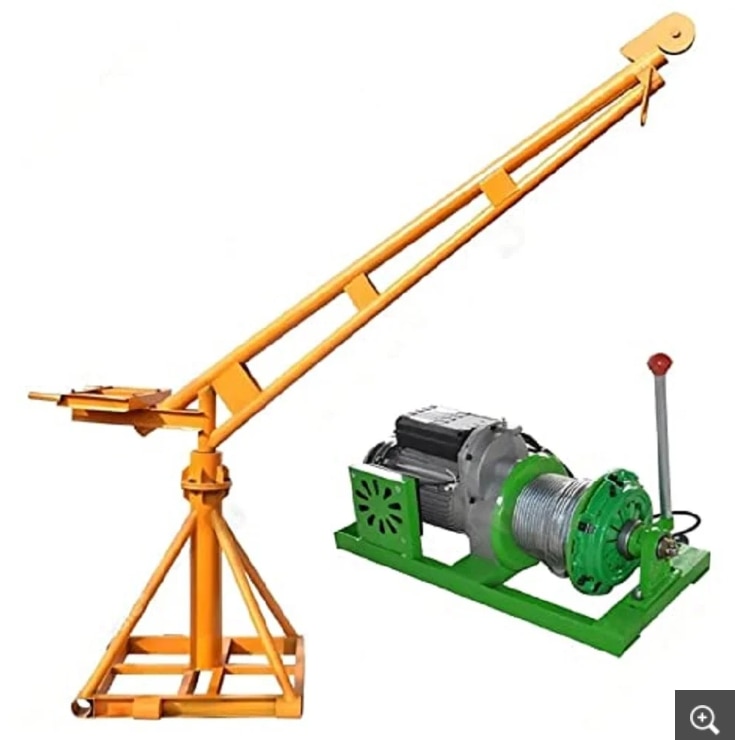 | Mini Crane Capacity 5 Ton Max Height 10 Feet Span 20 m AMC/After Sales Service Provided Power Source Electric Hoist Travelling Speed 0-5 m/min Established in... View product → |
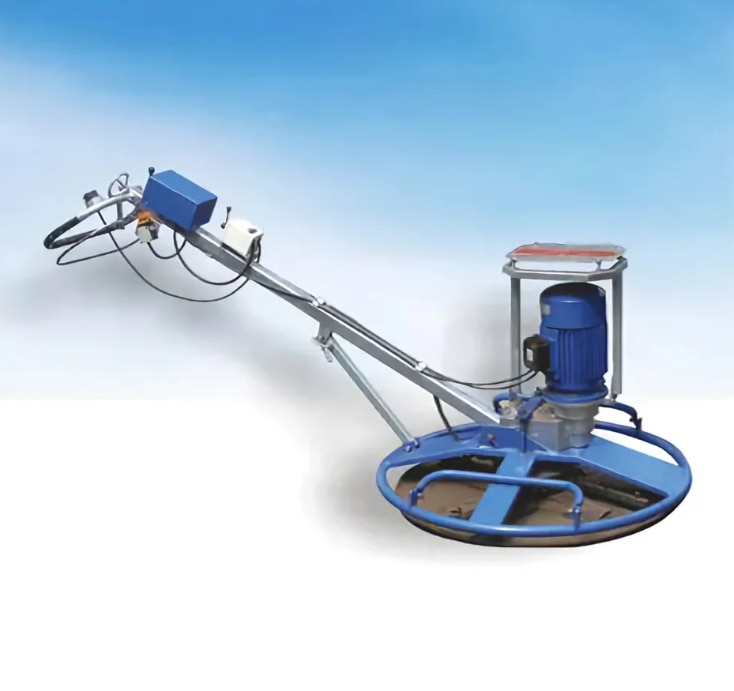 | Power Floater roduct Details: Engine Power 35 Hp Material Power Trowel Color Blue And Black Automation Grade Semi Automatic Usage/Application For Construction Is... View product → |
Verify the supplier’s legal, technical, and compliance credentials
A valid quotation is not proof that a supplier can legally sell or support the machine. Match the supplier’s legal name across its tax invoice, bank details, registration documents, and GSTIN verification on the government portal.
Ask for a current manufacturer appointment letter if the seller claims authorised dealer status; it should identify the brand, machine range, territory, and appointment validity.
Request equipment-specific evidence before placing an order:
- The machine’s serial number records, manufacturing date, ownership trail, and serial-number-specific bill of materials
- A CE Declaration of Conformity naming the exact model or variant, applicable standards, serial range, instructions, risk information, and approved attachments
- Test certificates, inspection reports, warranty terms, and a written procedure for recalls, software updates, and product changes
- Operating instructions covering attachment interfaces, guarding, rated capacity, stability, emergency controls, and maintenance intervals
CE marking shows conformity assessment for applicable European requirements; it does not prove productivity, durability, or suitability for your duty cycle. For delivery into the EU before 20 January 2027, state whether Machinery Directive 2006/42/EC applies; from that date, specify Machinery Regulation (EU) 2023/1230.
For US projects, require instructions addressing applicable OSHA construction provisions, including material-handling equipment, seat belts, inspections, and safe operation. Confirm support capacity through named technicians, diagnostic-tool access, local parts stock, critical-component lead times, escalation contacts, and references for comparable machines.
A supplier that cannot support hydraulic pumps, controllers, final drives, or injectors after sale is a procurement risk.
Use a documented inspection and acceptance test before handover
Accept the machine only after a signed machine acceptance test confirms the delivered configuration, safety, performance, and condition against the quotation.
1. Compare the serial number, model, attachments, engine rating, accessories, paint or structural condition, and hour-meter reading with the purchase order. Photograph damage, missing items, fluid leaks, tyre or undercarriage wear, weld repairs, and cracks before commissioning.
2. Run the pre-delivery inspection with the supplier present. Record cold-start time, engine and hydraulic fault codes, oil and coolant temperatures, operating pressures, leakage, cycle times, brake stopping performance, steering response, emissions-system status, guards, alarms, emergency stops, lights, interlocks, and attachment operation.
3. Require a live demonstration under load using the material, lift height, reach, speed, or production cycle specified for the job. Reject unexplained overheating, unstable handling, excessive smoke, abnormal noise, hydraulic drift, failed safety devices, or performance below the agreed baseline.
4. For used machinery, reconcile the hour meter with electronic control-module records, service invoices, telematics, oil analysis, tyre or undercarriage wear, pin-and-bushing play, cold-start behaviour, and a structural crack inspection. Indicated hours alone do not prove utilisation.
5. Check the operator manual and safety checks before handover. Confirm that instructions cover the supplied configuration and the site’s rules, including OSHA requirements where applicable; “CE compliant” must identify the applicable EU legal regime and delivery date.
6. Sign the acceptance record only after receiving test readings, photographs, manuals, warranty details, and a dated list of defects with correction deadlines. Retain it as the baseline for warranty claims.
Frequently asked questions
What should you include in a construction machinery requirement brief?
State the machine’s task, load or digging force, reach, working height, terrain, operating hours, attachments, transport limits, fuel or power source, and delivery date.
How do you match machine capacity to the actual duty cycle?
Compare the required load, reach, cycle frequency, ground conditions, operating hours, and attachment demands with the machine’s rated working capacity, not its maximum headline figure.
What should you compare in construction machinery quotations?
Compare the machine specification, delivered price, taxes, freight, commissioning, operator training, warranty coverage, maintenance schedule, spare-parts availability, service response time, and exclusions.
Which supplier credentials should you verify?
Check the supplier’s legal business details, tax registration, applicable licences, manufacturer or authorised-dealer evidence, technical documentation, warranty terms, and safety or compliance records.
What should a machinery acceptance test include?
Inspect identification plates, guards, controls, leaks, tyres or tracks, attachments, safety devices, documents, and operating performance under a task that matches your planned duty.
Related products
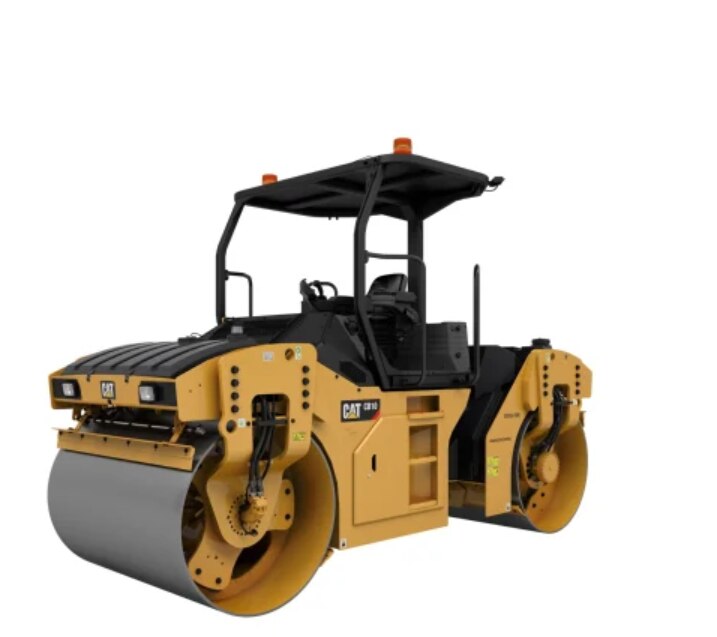 | Roller Machine Product Details: Automation Grade Semi Automatic Engine Power 110 HP @ 2200 rpm Rolling Width 1250 mm, 1675 mm Warranty 18 Months Vibration Frequency... View product → |
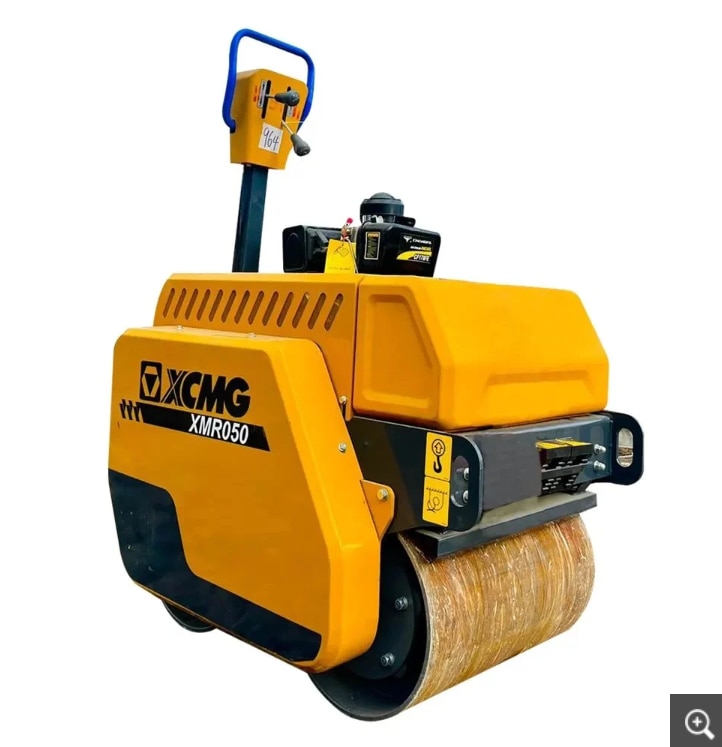 | Walk Behind Roller Minimum Order Quantity 5 Piece Engine Power 5 HP Drive type Manual Rolling Width 1675 mm, 1250 mm Max Roll Weight 330 Kg Approx. View product → |


