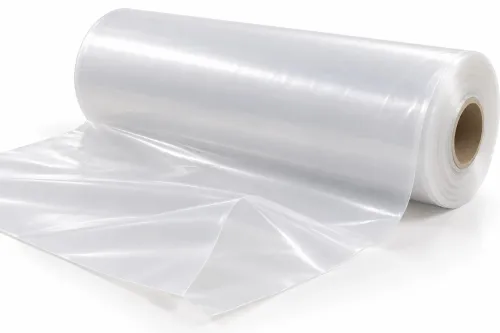

A construction or industrial cover fails when its fabric, edges, eyelets and anchoring do not match the exposure. By the end, you will be able to distinguish a woven HDPE tarpaulin from a pond liner, specify the performance details that matter, install it without creating leak paths, and decide when another covering is safer or more economical.
Key takeaways
- Match fabric strength, coating, size, and eyelet spacing to the job.
- Secure covers with even tension without trapping water against materials.
- Use coated HDPE tarpaulins to shield stock and equipment from rain, dust, and sunlight.
- Request samples and performance details before placing a bulk order.
What an HDPE tarpaulin is designed to do
A woven HDPE tarpaulin is designed to shield materials and equipment from rain, sunlight, dust, and dirt while remaining movable and reusable. Its woven HDPE fabric supplies multidirectional tensile and tear strength; polyethylene coating or lamination on one or both faces provides water resistance and a printable surface.
Reinforced edges and eyelets let you tie it down without relying on the fabric alone.
Common construction and industrial duties include:
- Covering aggregates, cement bags, bricks, scaffolding, machinery, and excavation areas
- Protecting truck loads, warehouse stock, open-yard equipment, and raw materials
- Providing temporary covering during transport, storage, or a plant shutdown
An HDPE tarpaulin is not a containment vessel. Compare it with an HDPE pond liner before specifying one.
| Feature | Woven HDPE tarpaulin | HDPE pond liner |
|---|---|---|
| Purpose | Temporary or movable covering and weather protection | Permanent or semi-permanent liquid containment |
| Construction | Woven scrim with coated or laminated faces, edges, and eyelets | Continuous flexible sheet intended to form a watertight basin |
| Main load | Wind, handling, abrasion, and outdoor exposure | Hydrostatic pressure from stored water or liquid |
| Typical failure | Tearing at tie-downs or puncture during handling | Leakage through punctures, poor seams, or inadequate subgrade |
Do not treat a waterproof tarp as flame-retardant. Polyethylene can soften, shrink, or burn, so welding sparks, hot metal, and regulated fire exposure require a documented heat-resistant barrier. A tarp is also not a fall-protection system.
How manufacturers configure a tarp for the job
Request a complete construction specification, not just a GSM rating. A heavier fabric can still tear at an eyelet or leak through a weak coating if the supplier does not state each performance value separately.
- Fabric: woven HDPE tape scrim, weave density, colour, GSM, finished thickness, and roll or cut-sheet dimensions.
- Strength: warp and weft tensile strength, tear strength, and the test direction and unit for every result.
- Surface: polyethylene coating or lamination on one or both faces, coating adhesion, hydrostatic resistance, and waterproofing acceptance value.
- Durability: UV stabilisation, exposure environment, and retained strength or appearance after accelerated weathering to ISO 4892-3.
- Edges and fixing: hem construction, reinforcement patches, eyelet material, eyelet spacing, and seam strength.
- Quality control: test reports using ASTM D751 for coated-fabric properties, with your required pass values written into the purchase order.
| Construction | What it means | When it applies |
|---|---|---|
| Woven HDPE with one-face coating | Scrim carries tensile and tear loads; one coated face supplies water resistance | General covers where one weather-facing surface is defined |
| Woven HDPE with two-face coating | Both faces receive a moisture barrier and printable finish | Repeated handling or exposure from either side |
| Film laminate over woven scrim | A thin film adds barrier performance but can affect flexibility and repairability | Short-term weather covers needing improved water resistance |
ASTM D882 results describe thin film or laminate, not the multidirectional performance of woven fabric. Do not approve a tarp for fall protection, lifting, platforms, or scaffolding because its tensile figure looks high; those uses require separate engineered systems and standards.
How to cover and secure construction materials
Keep the construction site cover sloped so rain runs off instead of pooling. Leave drainage paths clear, and anchor the cover to the ground, frame, or ballast—not only to the material beneath it.
1. Cover aggregates with a tarp that extends beyond the pile and reaches the ground on both sides. Shape the pile so water sheds, then place sandbags or purpose-made weights outside the tarp edge; tying directly to sharp stone can tear the fabric.
2. Store cement bags on pallets under a waterproof cover, with air space between the bags and tarp. Use an overlap of at least 300 mm between panels, position the upper panel over the lower one, and keep runoff away from the bags.
3. Cover bricks tightly enough to stop rain but allow ventilation at the sides. Secure the perimeter through a reinforced hem, using the specified eyelet spacing and soft ties that will not cut the fabric; do not pull every eyelet against one isolated anchor.
4. Cover machinery after it has cooled, leaving ventilation beneath the tarp to prevent condensation. Pad corners, exhausts, and projecting controls, then tension the cover over a frame or rounded supports rather than dragging it across sharp edges.
5. Protect an excavation with a cover that extends beyond the opening and drains away from its edges. Anchor it outside the excavation, mark the perimeter, and provide separate barricades; a tarpaulin is not fall protection or a walking surface.
Inspect after the first strong wind and after heavy rain. Tighten loose sections, remove standing water, and replace ballast that has shifted.
How tarpaulins protect industrial stock and equipment
An industrial tarpaulin suits temporary weather protection for warehouse stock, truck loads, open-yard equipment, raw materials and shutdown protection. Woven HDPE scrim resists tearing better than thin film, while its coated faces shed rain and dirt; it is not a fall-protection system, lifting sling, scaffold component or hot-work barrier.
| Option | Best fit | Choose another when |
|---|---|---|
| HDPE tarpaulin | Reusable outdoor covers, stock, machinery and temporary partitions | Heat, sparks or permanent security is involved |
| PVC-coated fabric | Abrasion, frequent handling, long exposure and heavier-duty enclosures | You need the lightest, easiest-folding cover |
| Polyethylene film | Low-cost dust, moisture or short-term wrapping | Wind, repeated handling or tear resistance matters |
| Canvas | Breathable covers for equipment needing reduced condensation | You need reliable waterproofing or low maintenance |
| Woven PP | Lightweight sacks, liners and general material covers | UV exposure and repeated outdoor use demand stronger weathering |
| Mesh | Ventilated fencing, shade and wind reduction | Rain exclusion or fine dust control is required |
| Rigid enclosure | Security, impact protection, controlled access and permanent storage | The cover must move daily or span irregular loads |
Choose PVC-coated fabric for repeated dragging or a long service cycle, and rigid panels for theft, impact or fire separation. Use polyethylene film only when replacement is acceptable. Canvas helps when trapped moisture threatens the contents; mesh helps when wind pressure matters more than rain.
Write temperature and hot-work limits into the purchase order. Polyethylene can soften, shrink or puncture from welding spatter, so use a documented welding curtain, fire blanket or heat-resistant enclosure near sparks. A film tensile result under ASTM D882 does not represent a woven tarp’s multidirectional performance.
How to verify performance before placing a bulk order
A bulk order deserves a pass/fail trial against the actual duty, not a “heavy-duty” label. Test one production sample and retain it as a reference; record the lot number, GSM, finished thickness, usable dimensions, colour, weave, coating, edge reinforcement and eyelet spacing.
1. Specify tensile, tear, coating-adhesion, hydrostatic-resistance and seam-performance limits. ASTM D751 provides test methods for coated fabrics, but you must write the acceptance values into the purchase order.
2. Use ASTM D882 only for thin polyethylene film or laminate components. Its tensile result does not represent the multidirectional performance of woven HDPE fabric.
3. For an outdoor UV stabilised tarpaulin, specify accelerated exposure under ISO 4892-3 and define the required retained strength, colour and coating condition. “UV stabilised” alone is not a service-life guarantee.
4. Check finished dimensions, squareness, eyelet pull-out, seam strength and water leakage on the production sample. Define whether quoted dimensions mean cut size or usable finished size.
5. State the chemicals, concentration, contact time and temperature the sheet will face. Do not approve it from “HDPE” alone; solvents, hydrocarbons, oxidisers and heat can embrittle or swell it.
6. If welding, cutting or hot work occurs nearby, request a separately documented flame or fire-performance test. Waterproof does not mean fire-retardant.
Ask RELIABLE IMPEX to attach these results, the retained-sample identification and inspection photographs to the order file. That record gives you a defensible comparison when later deliveries vary.
Frequently asked questions
What is an HDPE tarpaulin designed to protect against?
A woven HDPE tarpaulin shields materials and equipment from rain, sunlight, dust, and dirt while remaining movable and reusable.
How do manufacturers configure HDPE tarpaulins for different jobs?
Manufacturers configure tarpaulins by selecting woven HDPE fabric, polyethylene coating or lamination, dimensions, reinforcement, eyelets, and finishing details suited to the application.
How should you cover and secure construction materials with a tarpaulin?
Place the tarpaulin to shed water, allow practical access, and secure it with evenly spaced attachment points so wind cannot lift or abrade the cover.
How can HDPE tarpaulins protect industrial stock and equipment?
They create a reusable barrier against rain, sunlight, dust, and dirt for stored stock, machinery, and equipment.
What should you verify before placing a bulk HDPE tarpaulin order?
Verify the fabric construction, coating or lamination, dimensions, tear and tensile performance, reinforced edges, eyelet quality, sample appearance, and documented test results.